The protection of Europe’s critical infrastructure and sensitive data is being fortified through quantum encryption technologies, ensuring secure communications within and amongst European Union Member States.
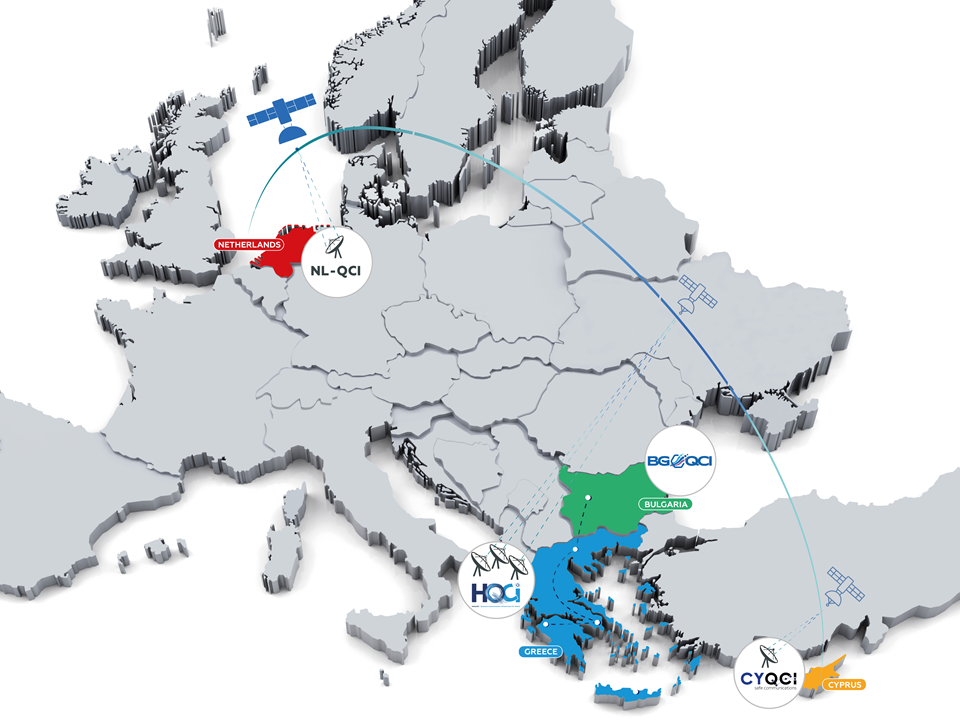
Τhe project SEEWQCI (South-East Europe to Western Europe Quantum Communication Infrastructure), with the goal to develop a resilient and scalable network that combines underground optical fibres with satellite technology and Quantum Key Distribution. This aims to create a virtually unhackable shield for the highly secure transmission of sensitive data across European borders. This cross-border initiative interconnects the National Quantum Communication Infrastructures (NatQCIs) of Greece, Cyprus, Bulgaria and the Netherlands.
The project represents the next implementation phase of the European Quantum Communication Infrastructure (EuroQCI). Following the deployment of National Quantum Communication Infrastructures (NatQCls) across Member States, the focus now moves towards interconnecting these networks, validating interoperability, and delivering operational cross-border quantum services. The project consortium brings together Governmental Authorities, National Security Authorities (NSAs), Security Operation Centres (SOCs), industry leaders, and Research & Technology Organisations (RTOs) from the four participating Member States.
Through this collaboration, SEEWQCI ensures that operational, security and interoperability requirements for real-world quantum networks deployment are addressed. Fully aligned with the European vision for the EuroQCI, SEEWQCI aims to reinforce cybersecurity resilience, promotes European technological sovereignty, and advances trusted cross-border cooperation, contributing to a secure and quantum-safe digital future.
The National Infrastructures for Research and Technology (GRNET S.A.) in Greece, is the project coordinator with the support of the General Secretariat of Telecommunications and Posts of the Ministry of Digital Governance and Artificial Intelligence. This role reaffirms the country’s institutional reliability and technical maturity at a European level. Within the framework of SEEWQCI, the Optical Ground Stations of Greece, Cyprus, and the Netherlands will link with the European satellite EAGLE-1, strengthening the space segment of EuroQCI. In this way, Greece establishes itself as a pivotal hub between South-Eastern and Western Europe, contributing substantially to the interoperability, security, and strategic autonomy of the European quantum ecosystem.
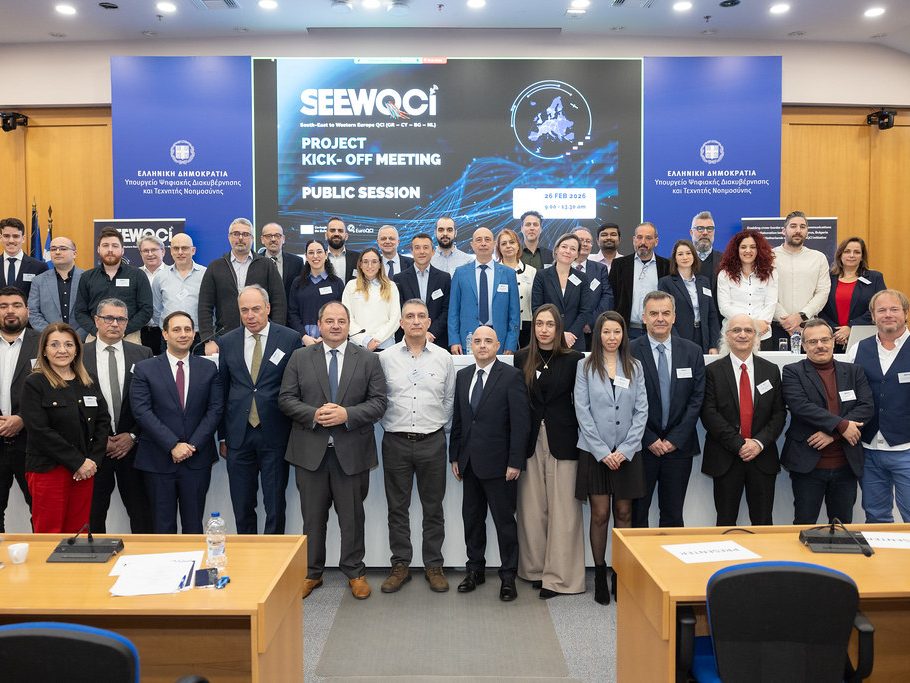
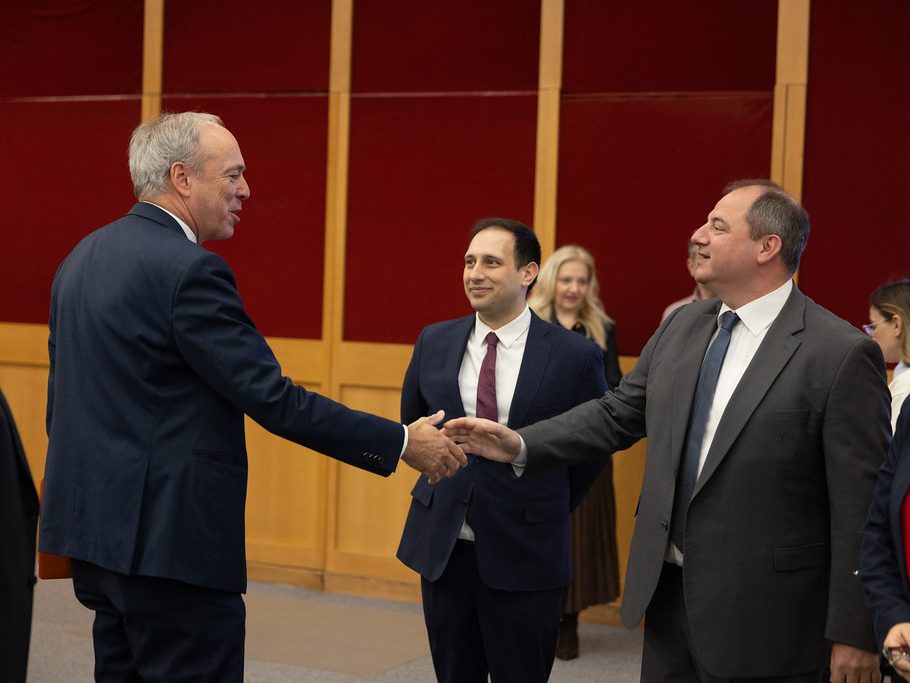
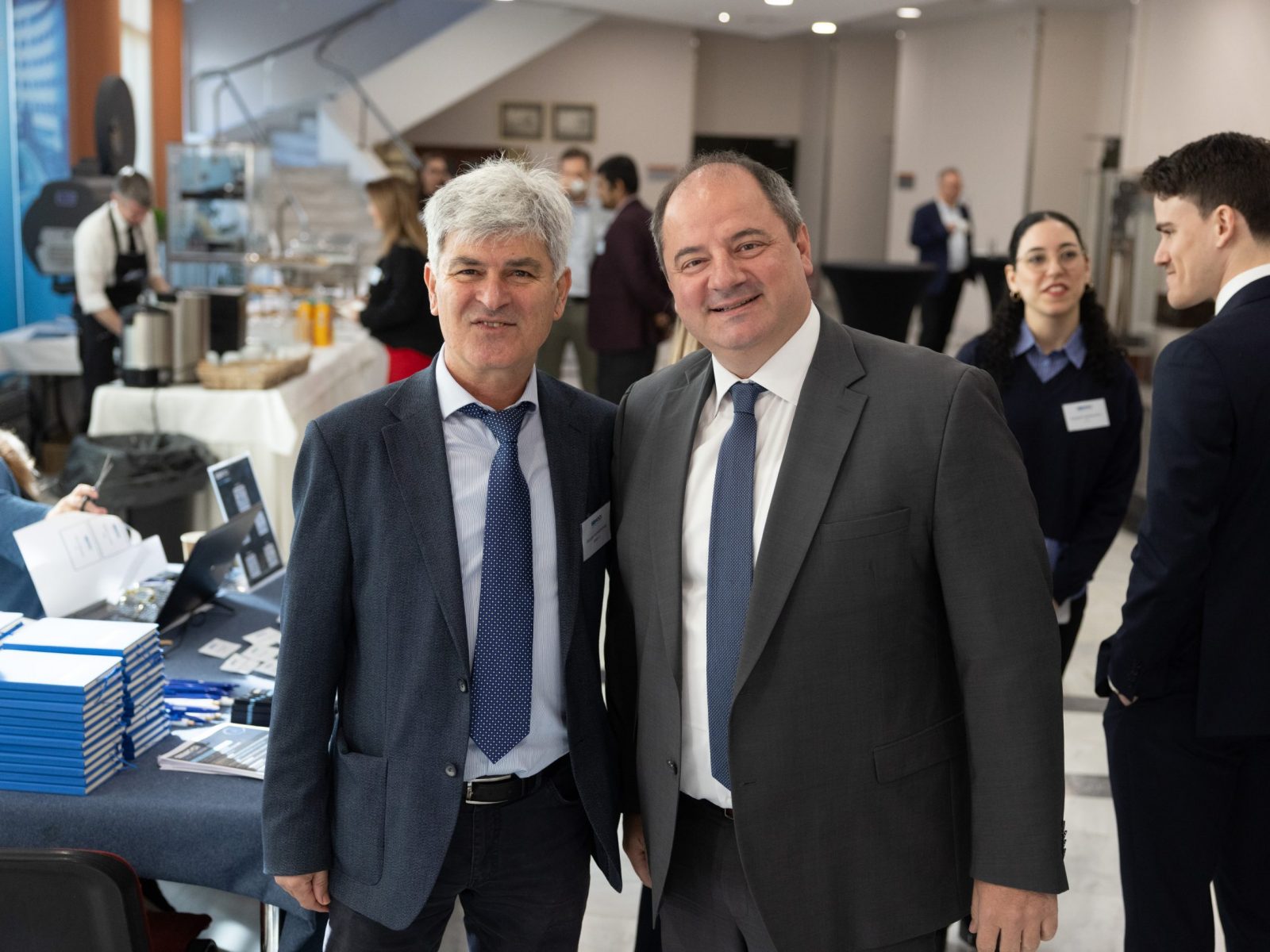
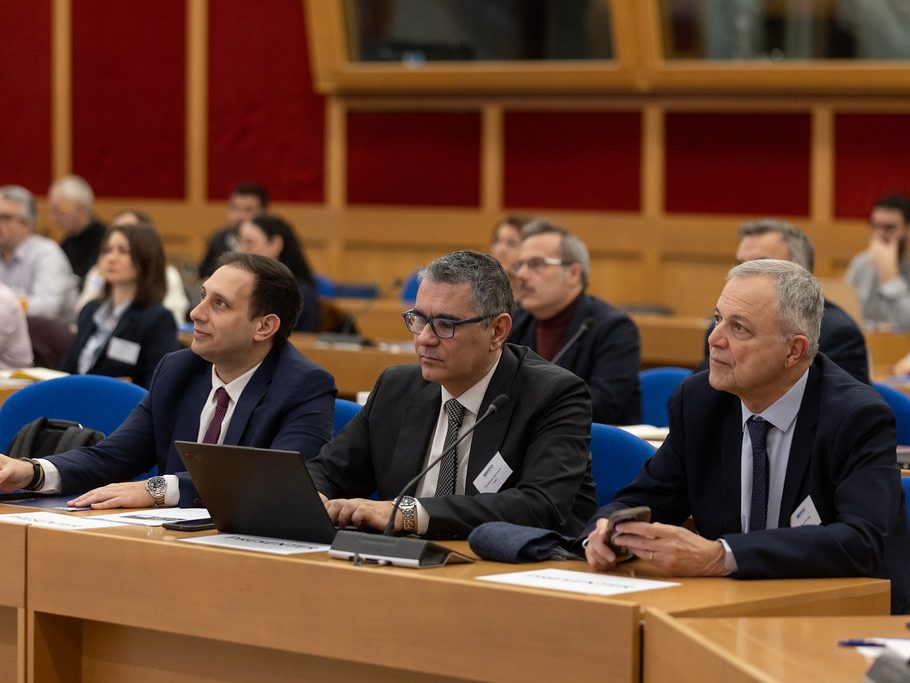
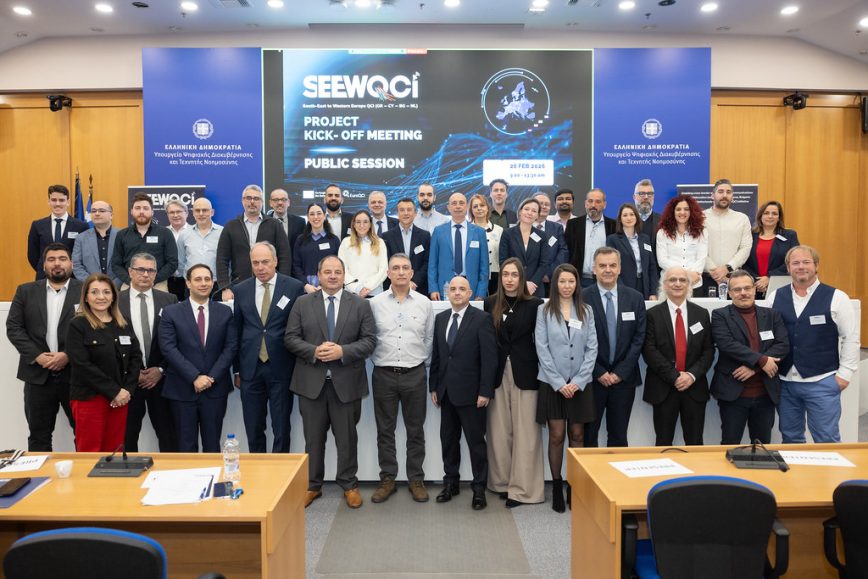
The official launch of the SEEWQCI project was held on 26-27 February 2026, at the Main Amphitheater of the Hellenic Ministry of Digital Governance, in Athens. The event brought together representatives from a consortium of 15 partners and 7 supporting organisations from Greece, Cyprus, Bulgaria, and the Netherlands.
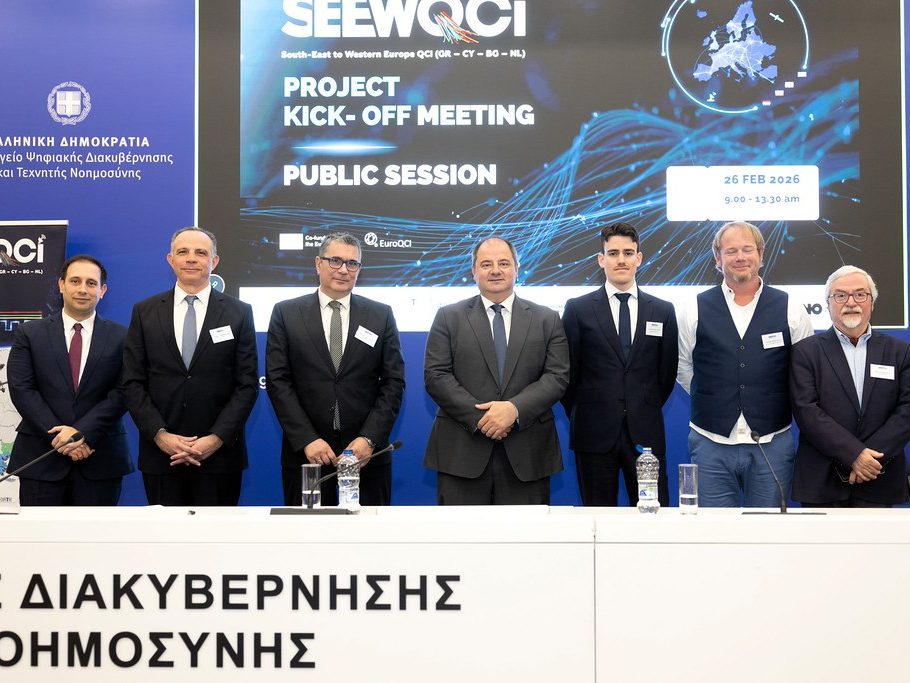
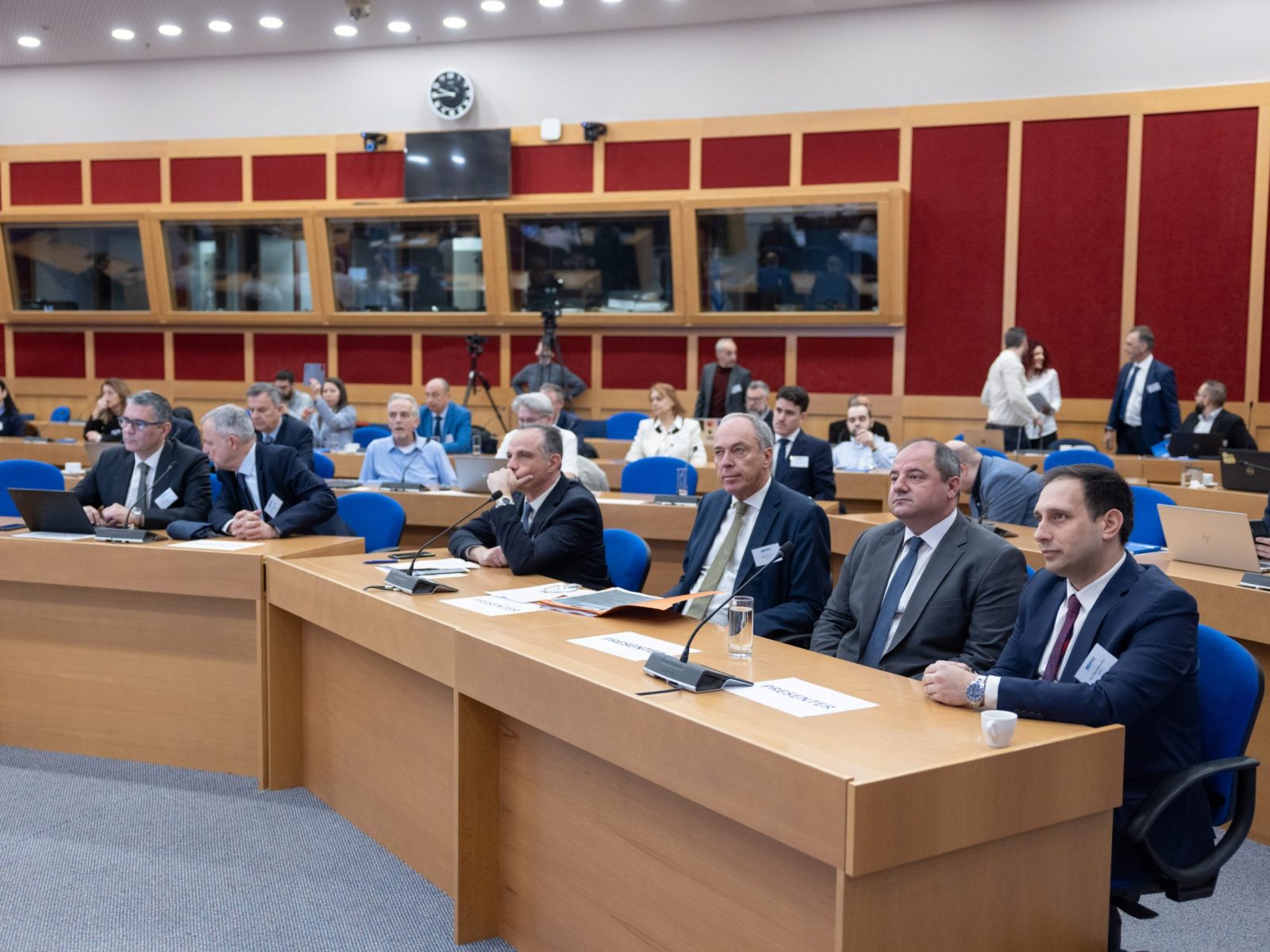
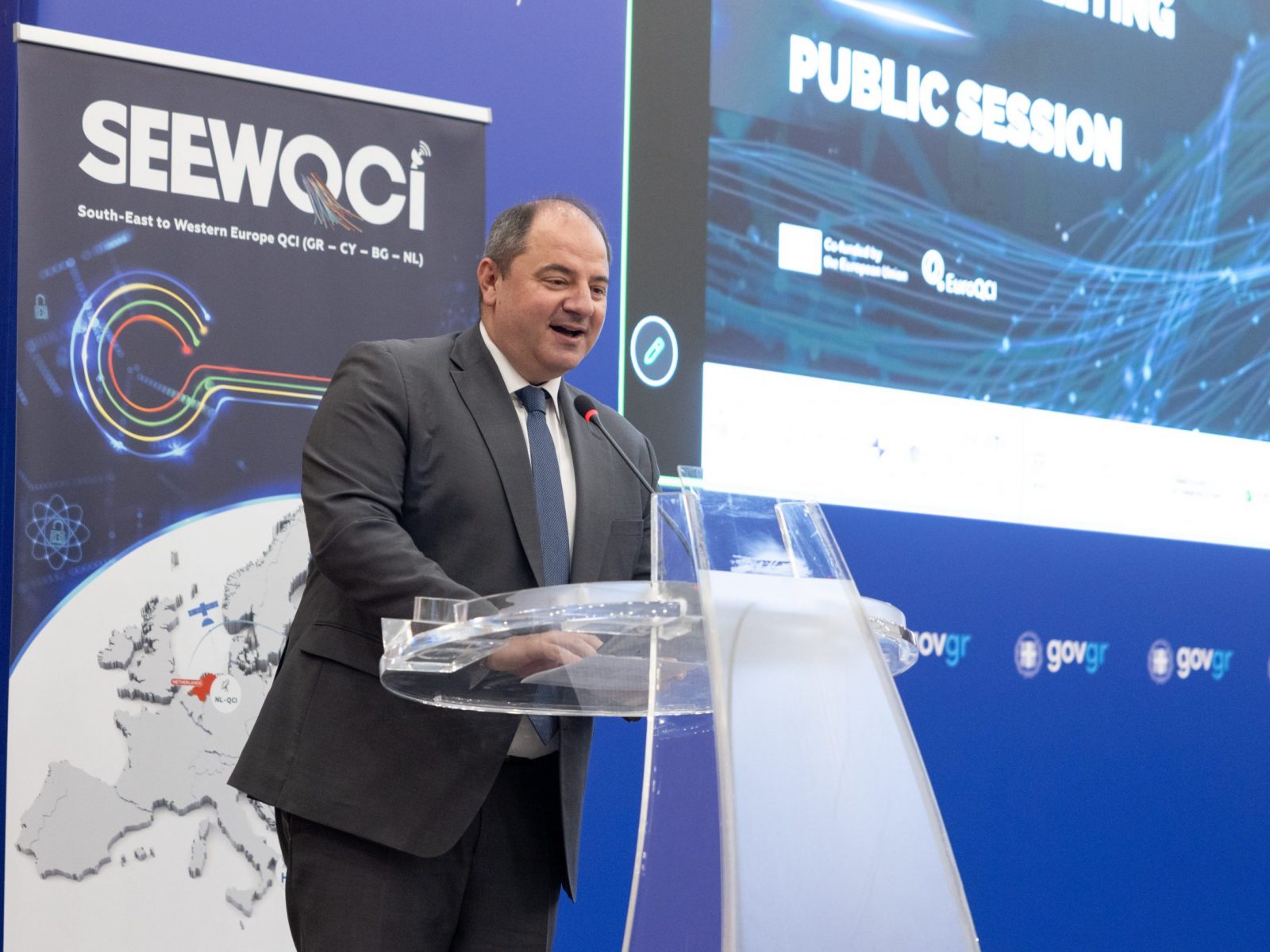
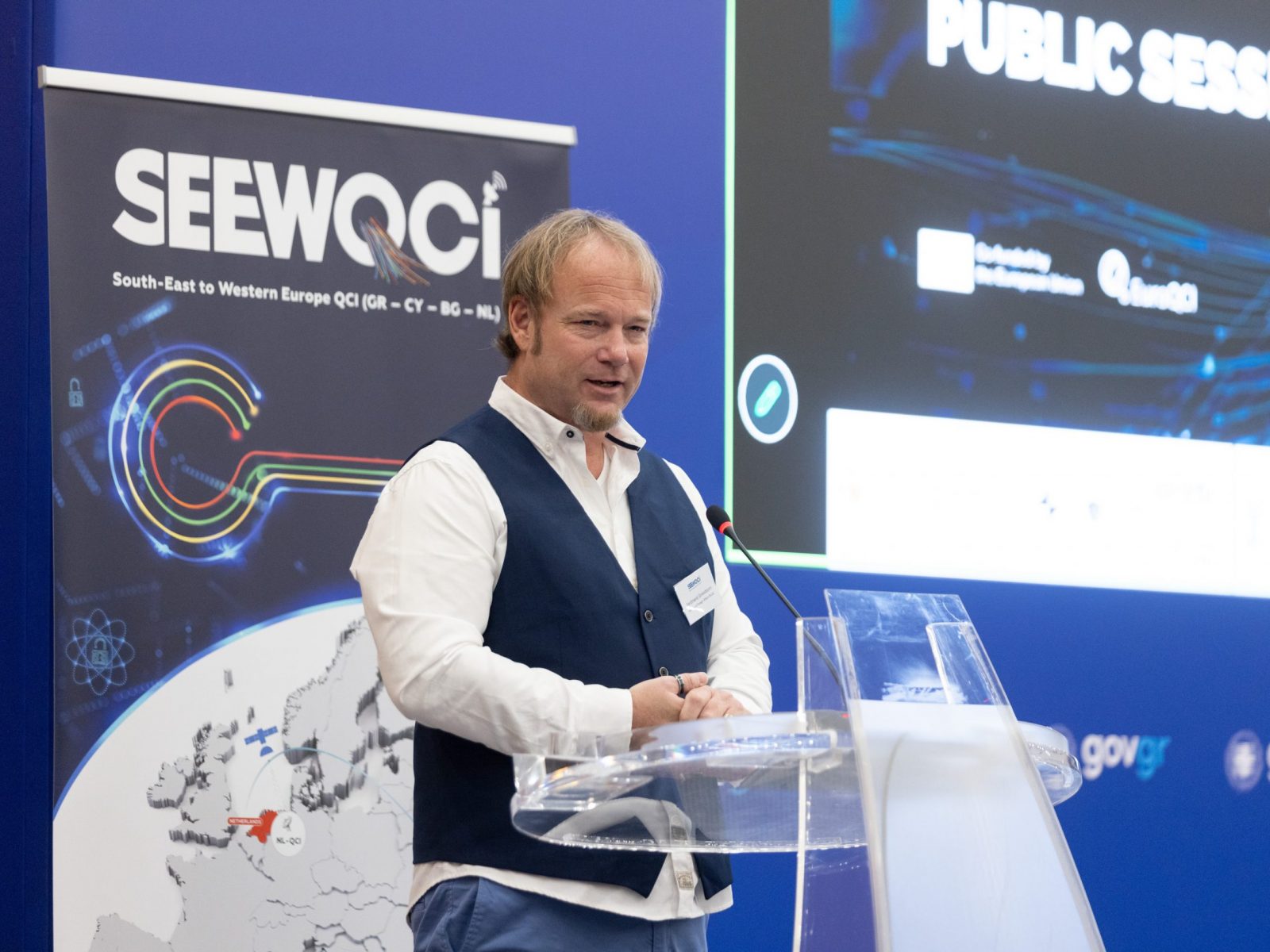
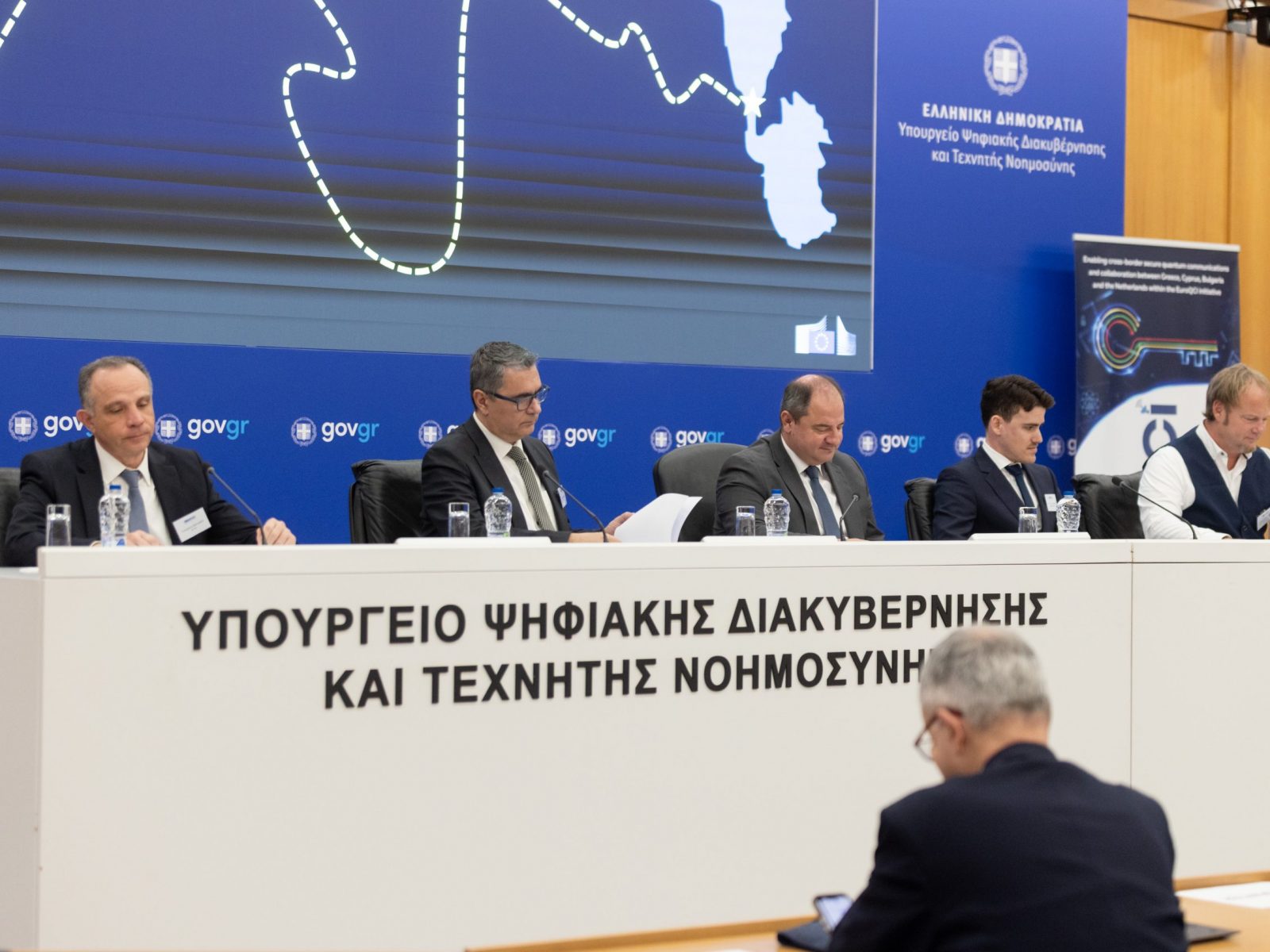
On February 26, during the open public session, the Secretary General of Telecommunications and Post at the Ministry of Digital Governance and Artificial Intelligence Konstantinos Karantzalos, addressed the audience with opening remarks, followed by the Deputy Minister of Foreign Affairs of Greece Harry Theoharis, the Acting Permanent Secretary of the Deputy Ministry of Research, Innovation and Digital Policy of Cyprus Georgios Komodromos, the Technology Diplomat and Programme Director ad Interim for the Programme Quantum Safe, of Ministry of Foreign Affairs of the Netherlands, Ferdinand Griesdoorn, and the Ambassador of the Grand Duchy of Luxembourg in Athens Paul Schmit. High level government and participating officials of all four partner countries addressed and discussed the benefits on the national security, the institutional and operational challenges of cross-border, quantum-secure connectivity. The event’s open session was moderated by journalist Yannis Rizopoulos.
A huge contribution to the event was made by the participation and contributions of a total of 13 representatives from 19 EuroQCI CEF projects who are currently in the second implementation phase and their involvement showcases the scale, interoperability, and cohesion of the European effort to develop a unified, quantum-secure communications infrastructure.
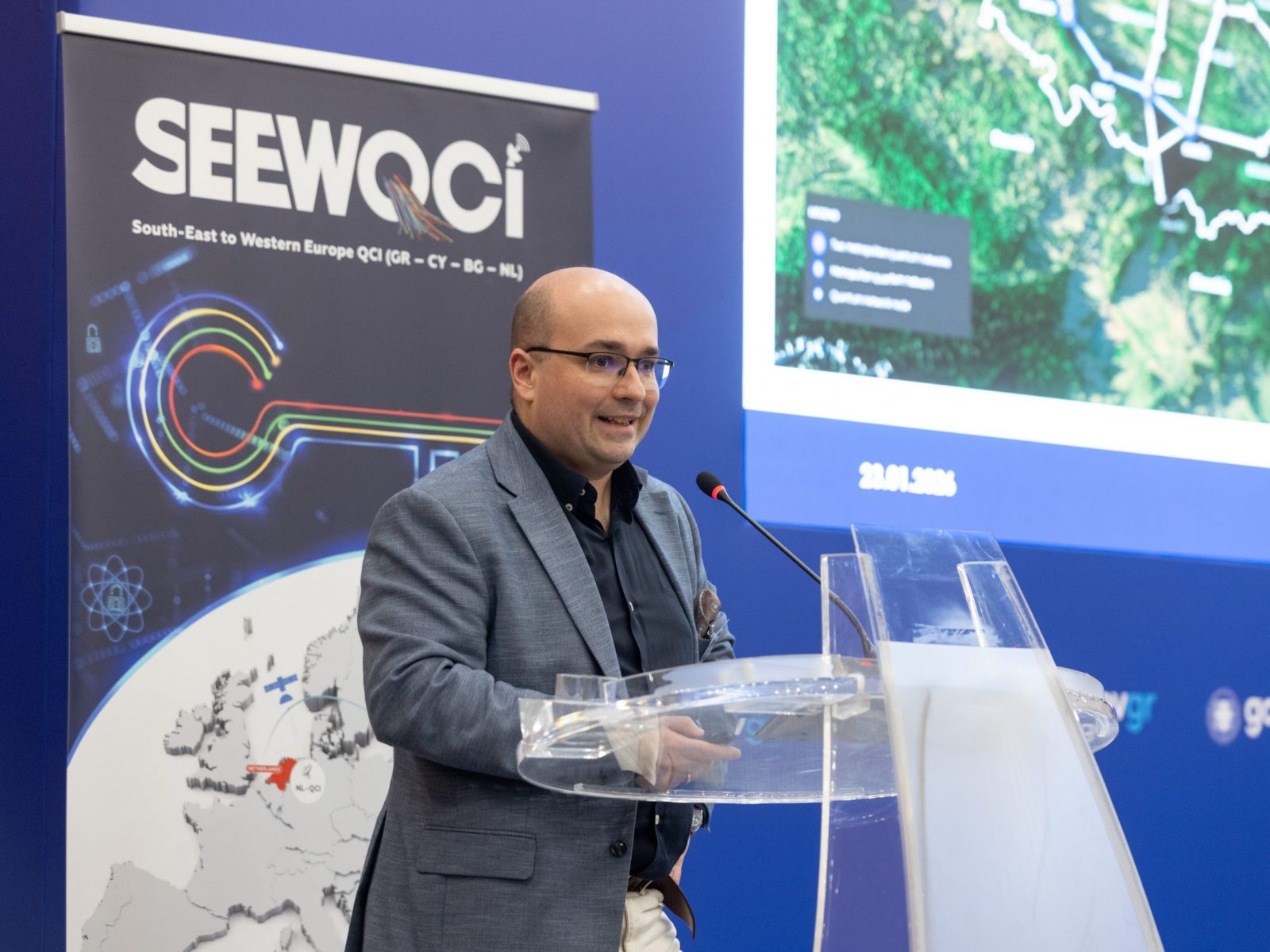
As Dr. Ilias Papastamatiou, Senior Project Manager at GRNET and SEEWQCI Coordinator, emphasized during the event: ‘The launch of SEEWQCI is a major milestone, not just for the participating nations, but for Europe. Our collective commitment forms the foundation for a fully operational, cross-border European Quantum Communication Infrastructure that will safeguard our digital future.
The strong European representation at the SEEWQCI Kick-off reaffirms the confidence in Greek infrastructure and the country’s coordinating role. Through HellasQCI and SEEWQCI, Greece is actively contributing to the creation of a secure, resilient, and technologically sovereign European quantum communications ecosystem.
The SEEWQCI project will implement more than 29 quantum-secure communication use cases across more than 35 trusted nodes, establishing a resilient and fully interoperable cross-border quantum communications network.
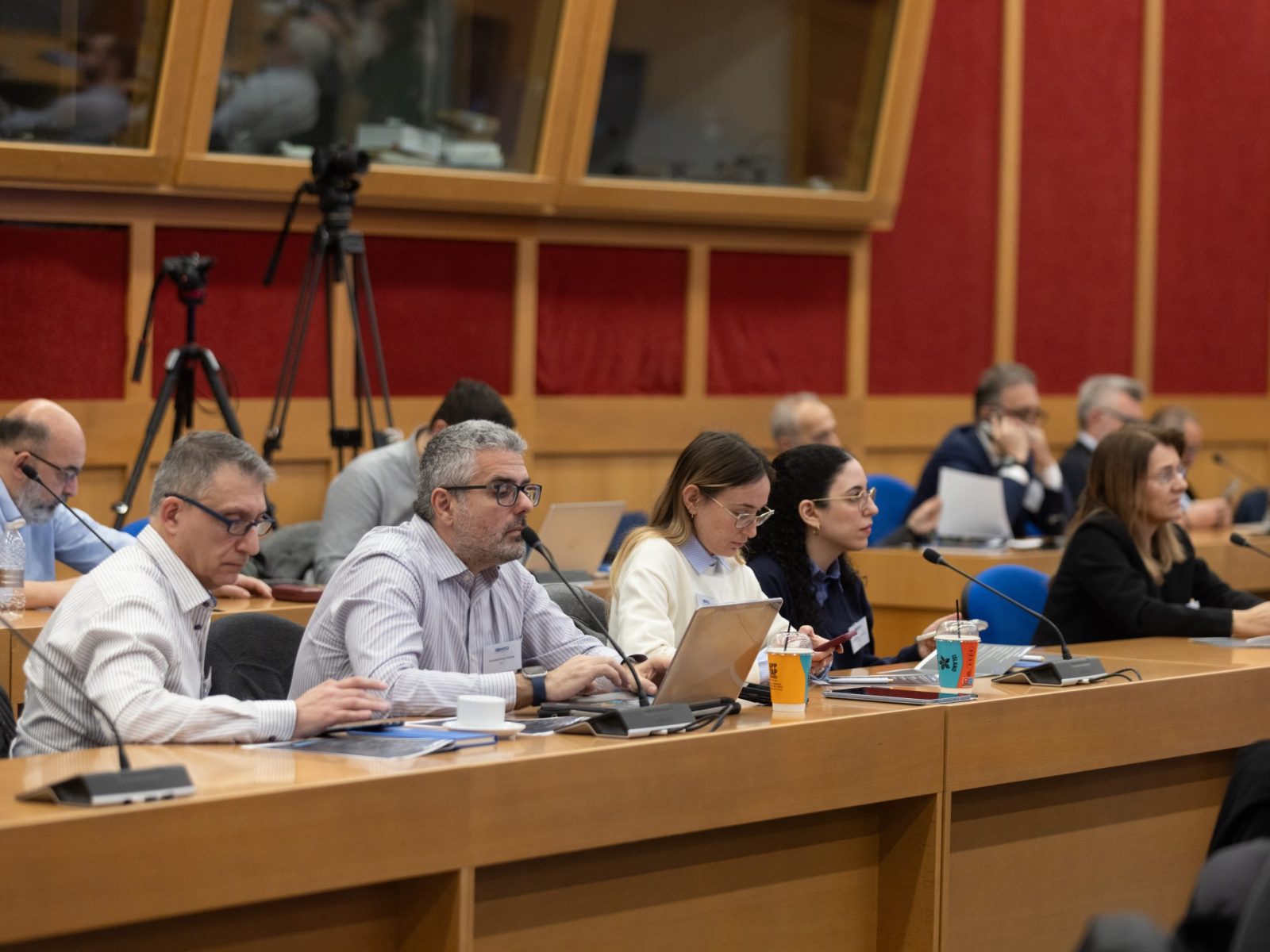
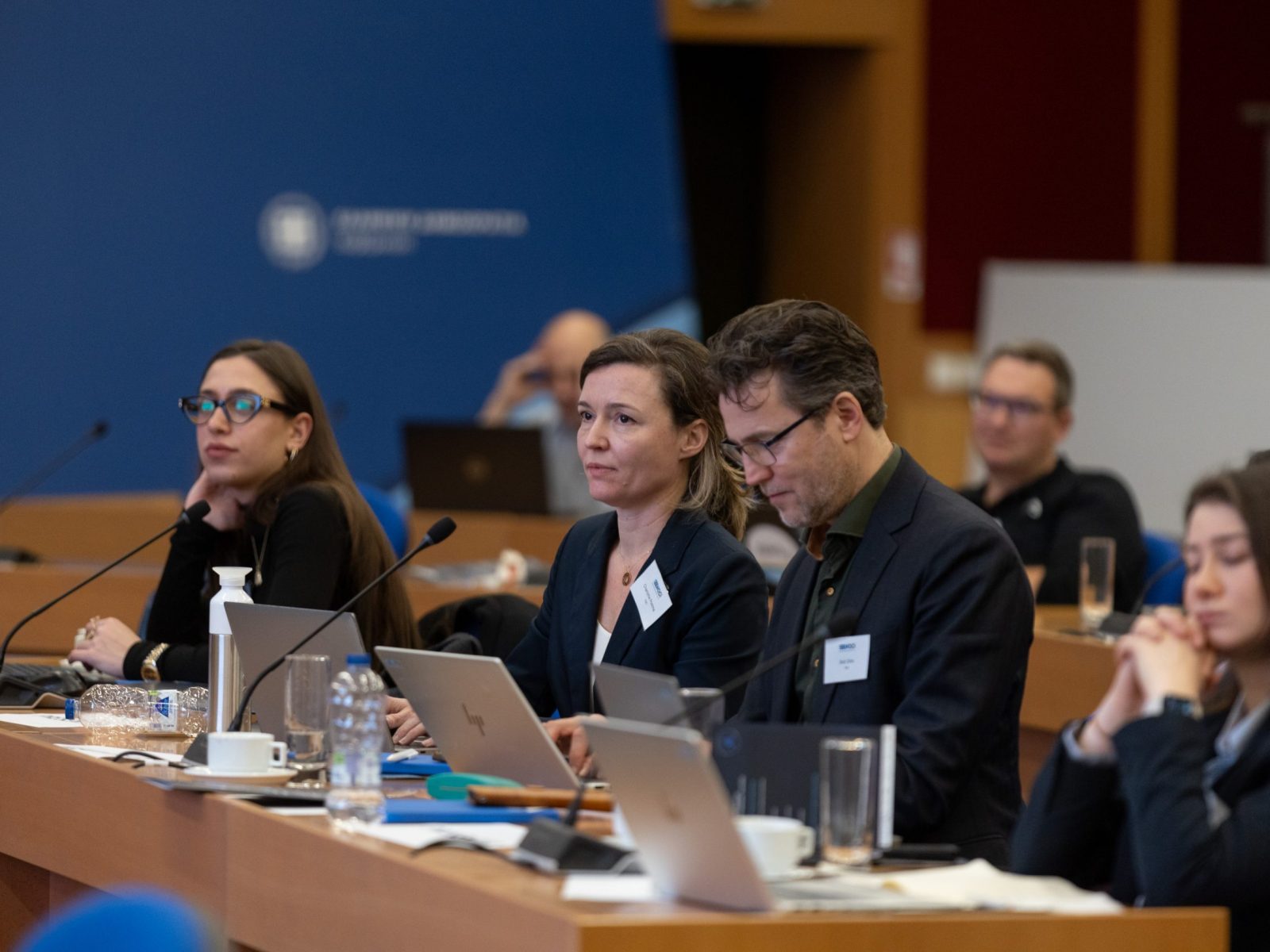
The kick-off meeting was attended by approximately 250 participants from 13 countries (64 in person and 180 online), including government officials, academics, representatives from research institutions, and journalists from major news agencies.
In total, the project involves 5 Ministries, 5 National Security Authorities (NSAs), 4 Security Operations Centers (SOCs), 9 Research & Technology Organizations, and 3 industrial partners. This diverse composition underscores the project’s robust political support, its operational depth, and the strong transnational cooperation driving the EuroQCI initiative.
The total budget for the SEEWQCI project (GA 101249531) amounts to EUR 17,8 million, with 50% co-financing from the Connecting Europe Facility (CEF) program.
More information here: www.seewqci.eu
Disclaimer
Views and opinions expressed are those of the author(s) only and do not necessarily reflect those of the European Union or of the European Commission. Neither the European Union nor the granting authority can be held responsible for them.
On February 26, during the open public session of the SEEWQCI project kick off, the Secretary General of Telecommunications and Post at the Ministry of Digital Governance and Artificial Intelligence Konstantinos Karantzalos, addressed the audience with opening remarks, followed by the Deputy Minister of Foreign Affairs of Greece Harry Theoharis, the Acting Permanent Secretary of the Deputy Ministry of Research, Innovation and Digital Policy of Cyprus Georgios Komodromos, the Technology Diplomat and Programme Director ad Interim for the Programme Quantum Safe, of Ministry of Foreign Affairs of the Netherlands, Ferdinand Griesdoorn, and the Ambassador of the Grand Duchy of Luxembourg in Athens Paul Schmit.
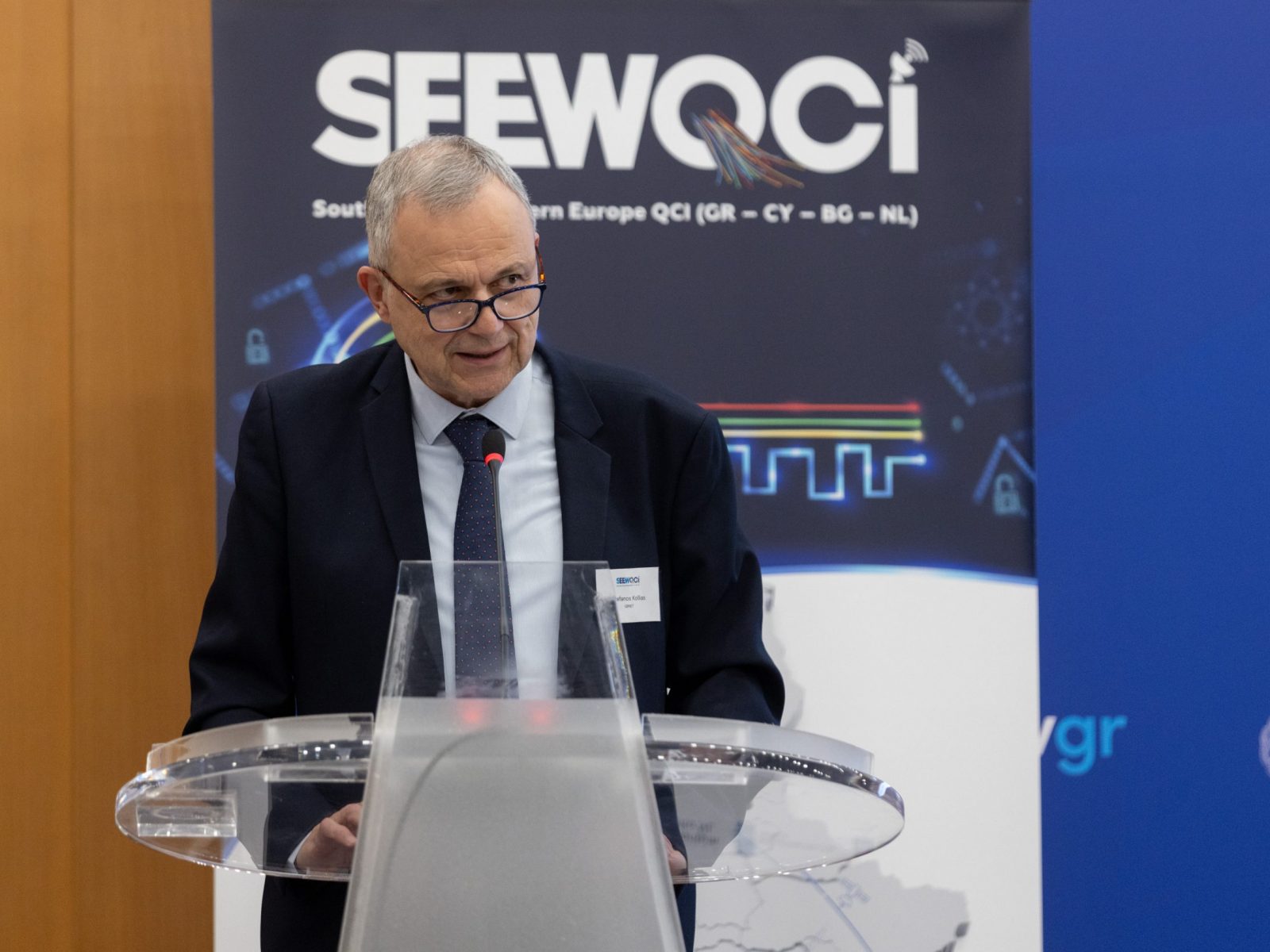
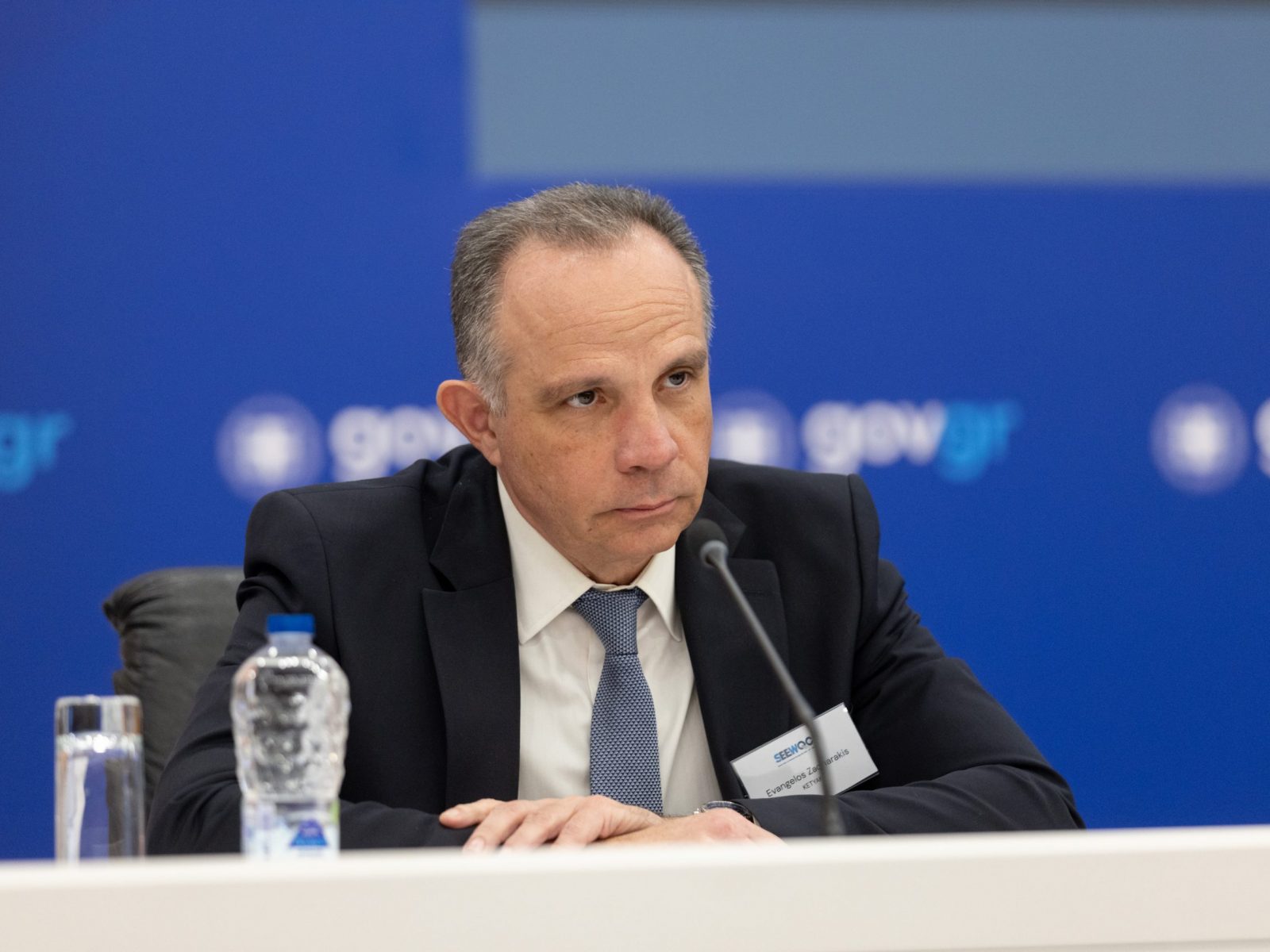
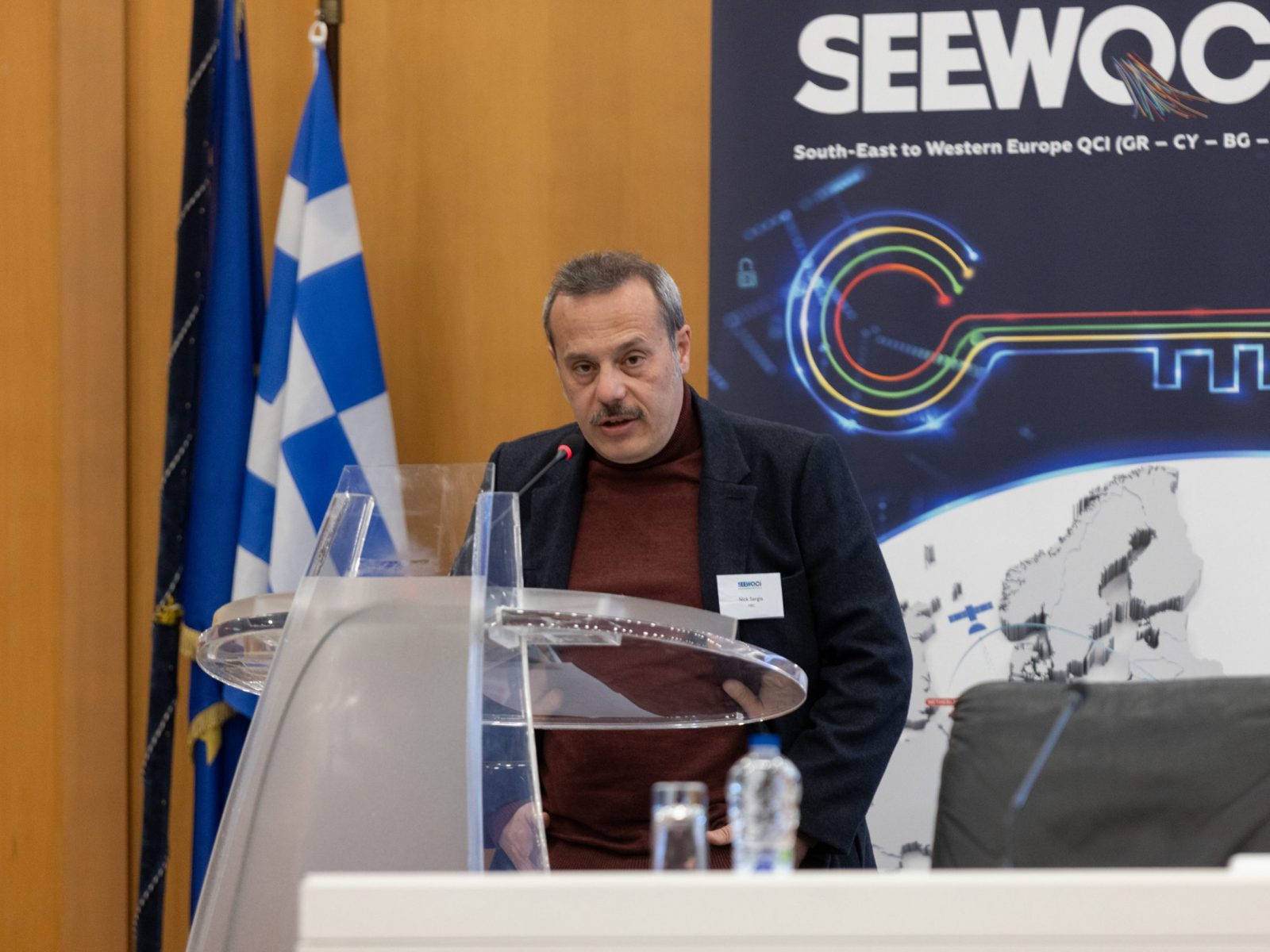
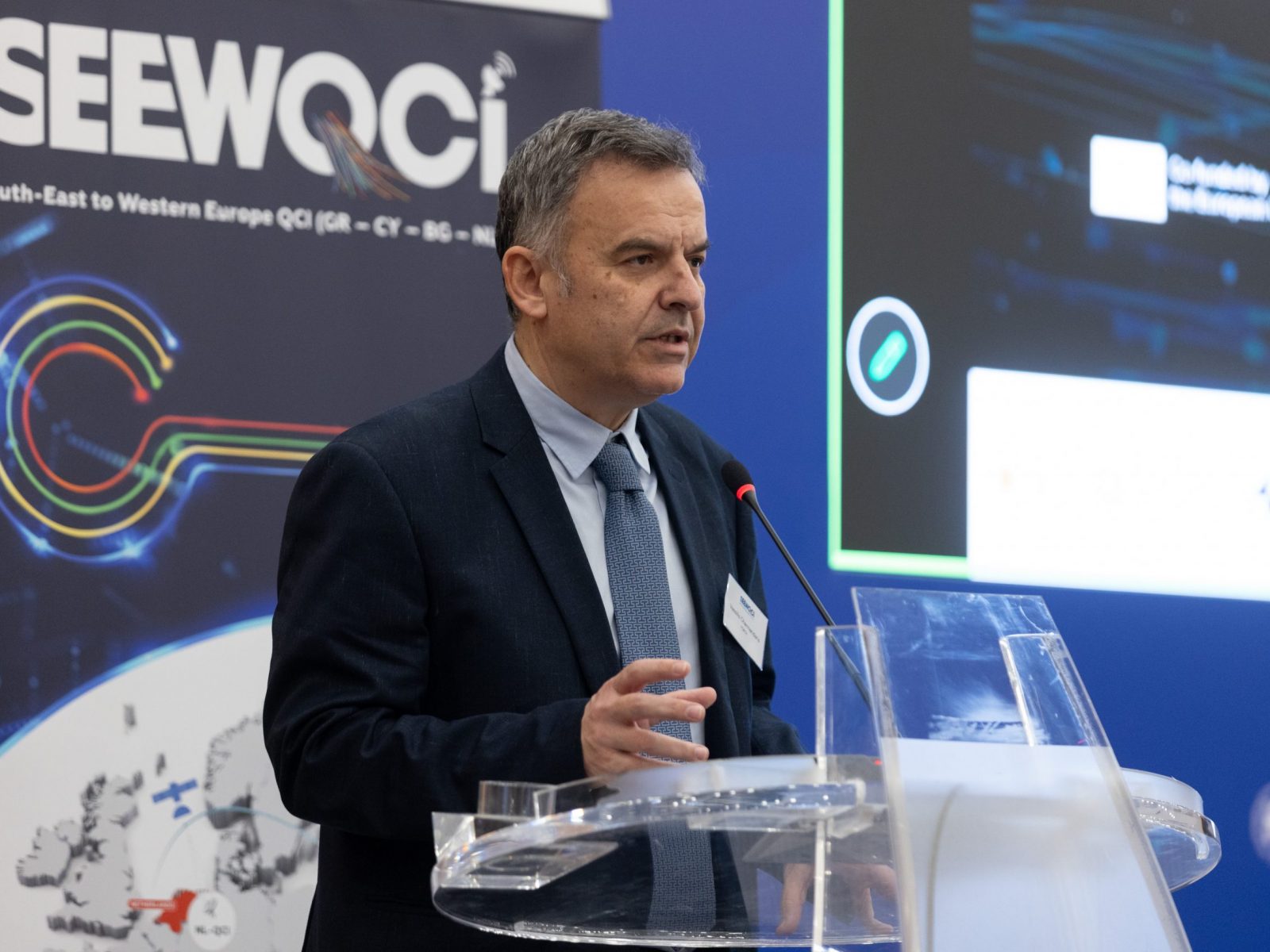
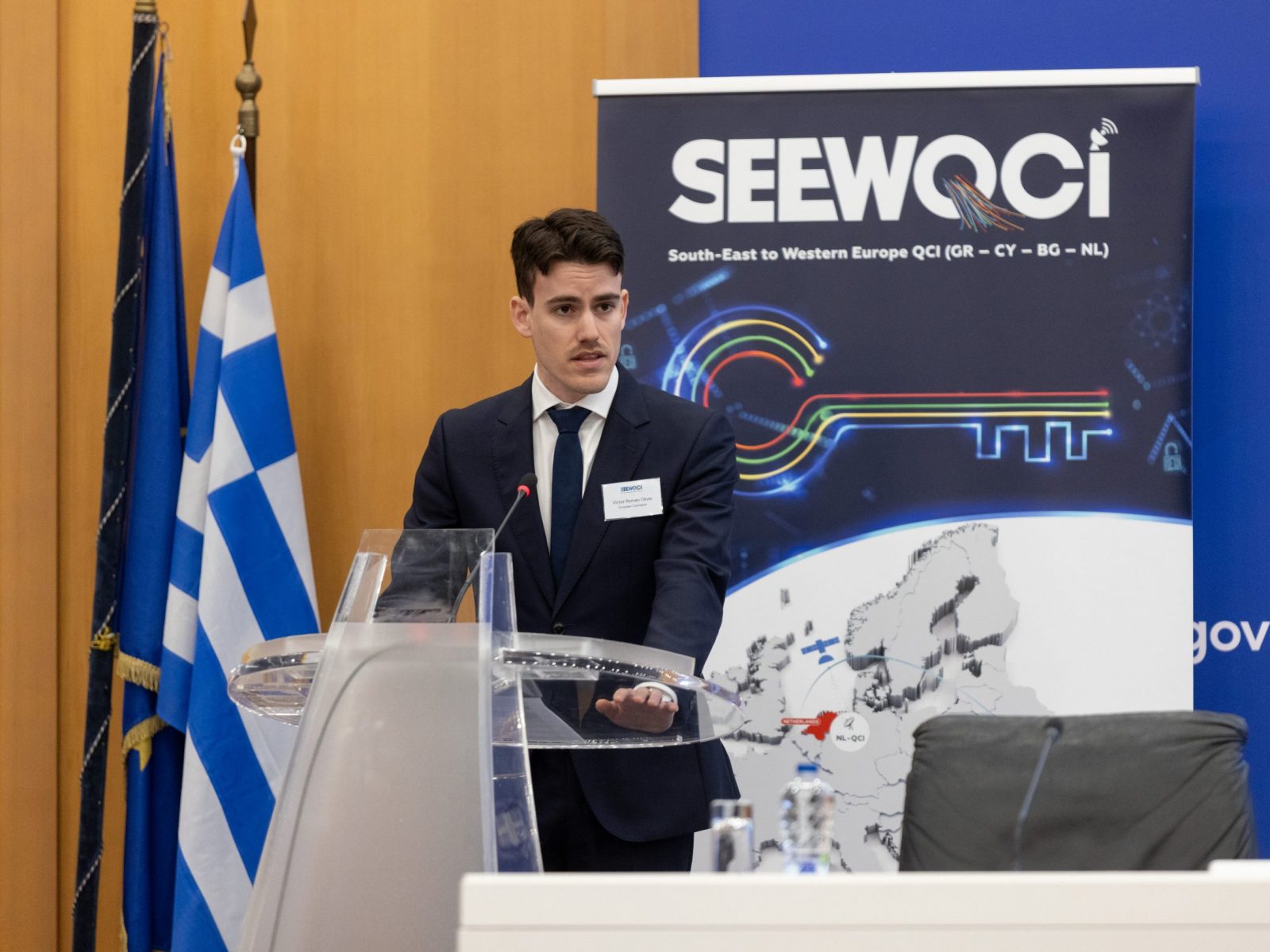
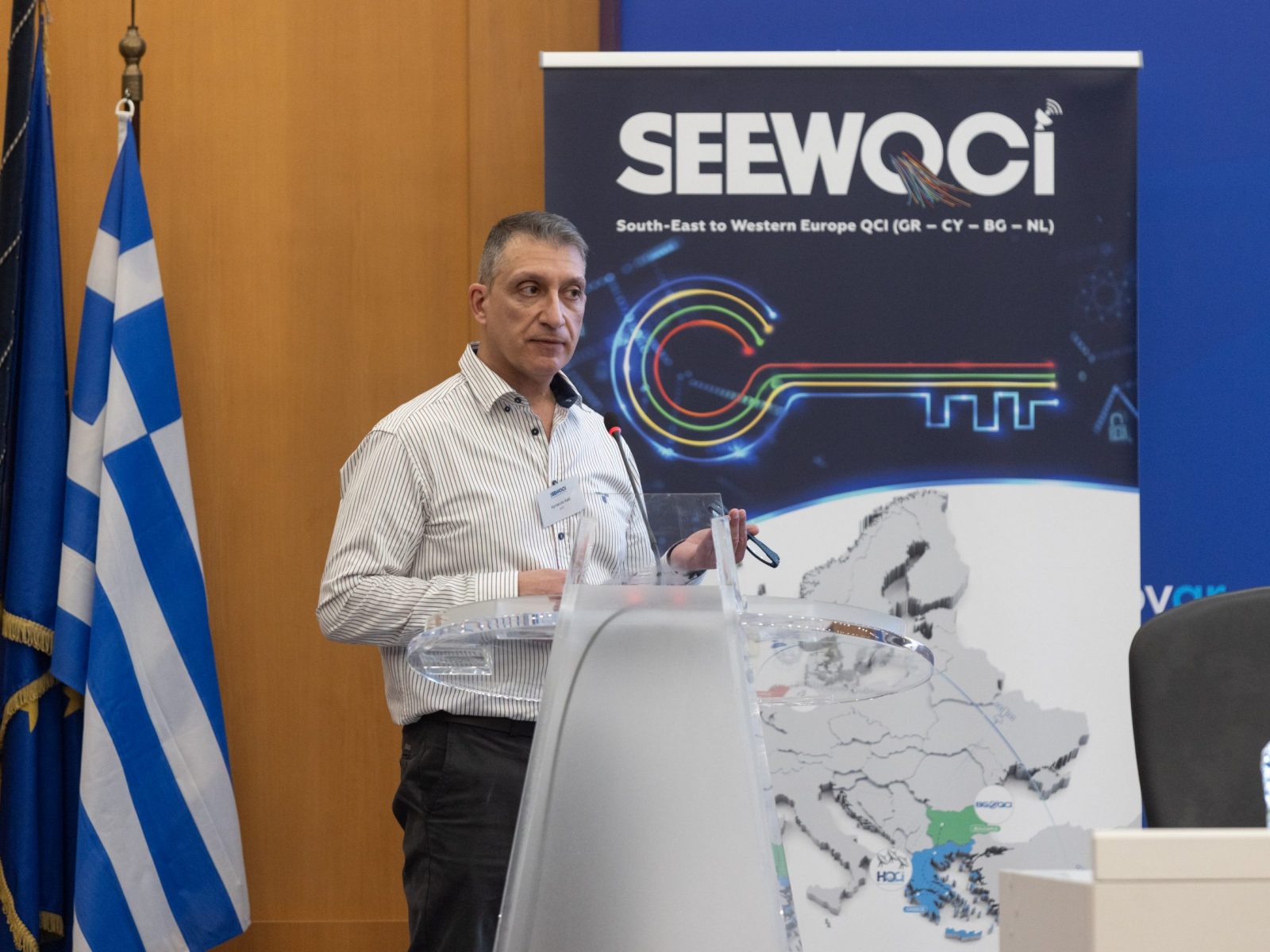
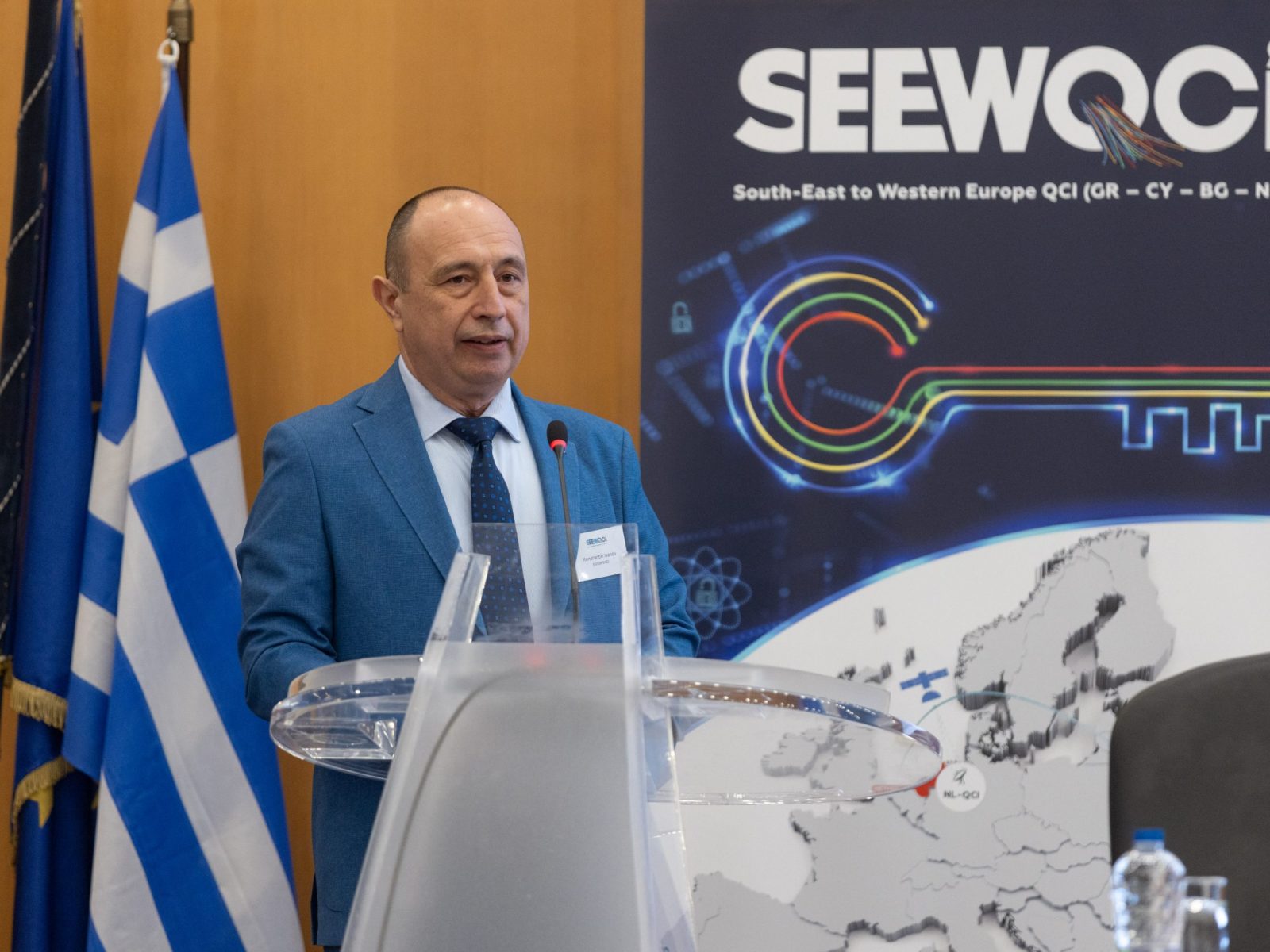
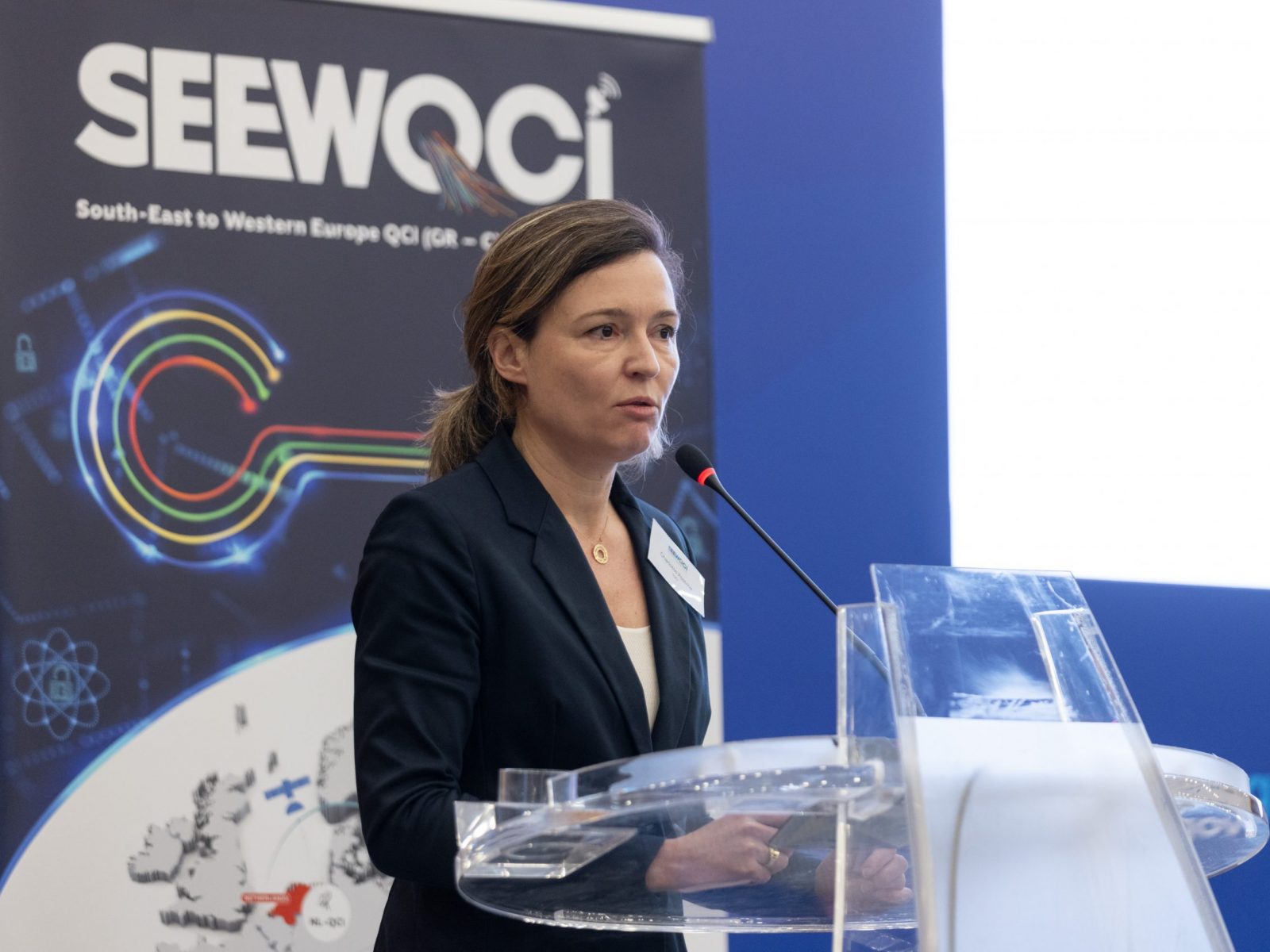
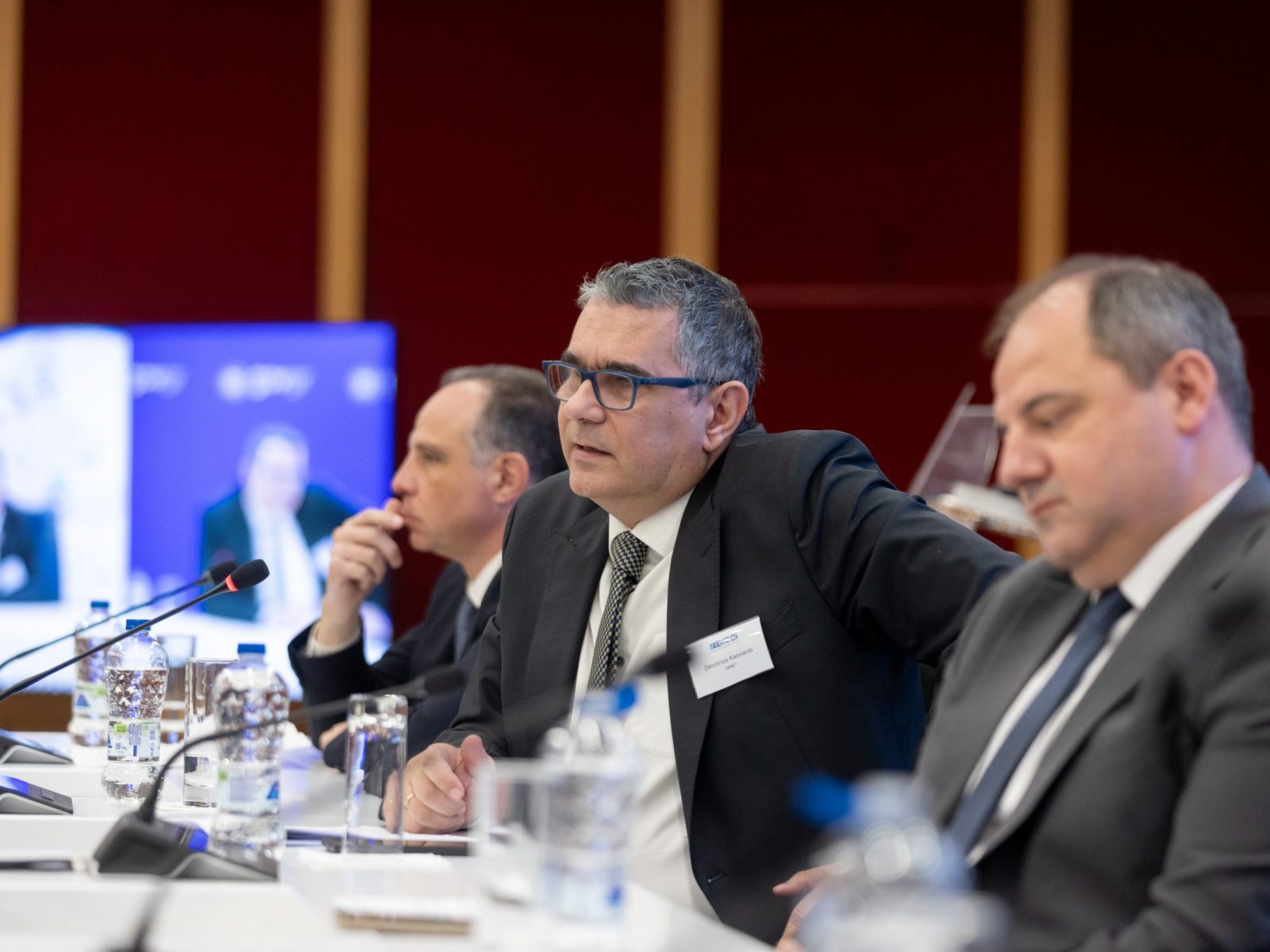
National security was a focal point of the discussions, featuring contributions from Evangelos Zacharakis, Director of the Centre for Technological Support Development and Innovation of National Intelligence Service of Greece (KETYAK), Alexis Hadjiprokopis, Director of National Security (NSA) of the Republic of Cyprus, Marian Kalliga, Digital Security Authority of Cyprus, and Bas Dunnebier, General Intelligence and Security Service, Ministry of the Interior and Kingdom Relations of the Netherlands (AIVD). Victor Roman Oliver of the European Commission (DG CONNECT) presented the European framework and the strategic vision for EuroQCI. Further contributions were made by Professor Εmeritus of the National Technical University of Athens & Chairman of the Board of Directors GRNET Stefanos Kollias, by the CEO of the Hellenic Space Center Nikos Sergis, by the Chairman of the Board of Directors of FORTH Vassilis Charmandaris, and by Athanasios Marousis of the National Observatory of Athens (NOA). A high level panel followed, bringing together Konstantinos Karantzalos, Evangelos Zacharakis, Dimitris Katsianis (Deputy Chairman, GRNET), Ferdinand Griesdoorn, and Victor Roman Oliver. The discussion underscored the institutional and operational challenges of cross-border, quantum-secure connectivity. Next, the National Coordinators of the participating countries, namely Ilias Papastamatiou (Greece, Coordinator of SEEWQCI and HellasQCI GRNET), Kyriakos Kalli (CYQCI, CUT Cyprus), Konstantin Ivanov (BGQCI, NCOM Bulgaria), and Charlotte Postma (TNO the Netherlands), outlined their respective national strategies and the interconnection of the National Quantum Communication Infrastructures (NatQCIs).
The event’s open session was moderated by journalist Yannis Rizopoulos.
A huge contribution to the event was made by the participation and contributions of a total of 13 representatives from 19 EuroQCI CEF projects who are currently in the second implementation phase, including TransEuroOGS, QUAPITAL, SBIQCI, BAT-QCI, PIONIER-Q-SAT, ROGS, CEQCI, BeneluxQCI, QCI-AT-CZ-PL, QCI-SK-CZ-PL, IberianQCI, and QRUSOE. Their involvement showcases the scale, interoperability, and cohesion of the European effort to develop a unified, quantum-secure communications infrastructure.
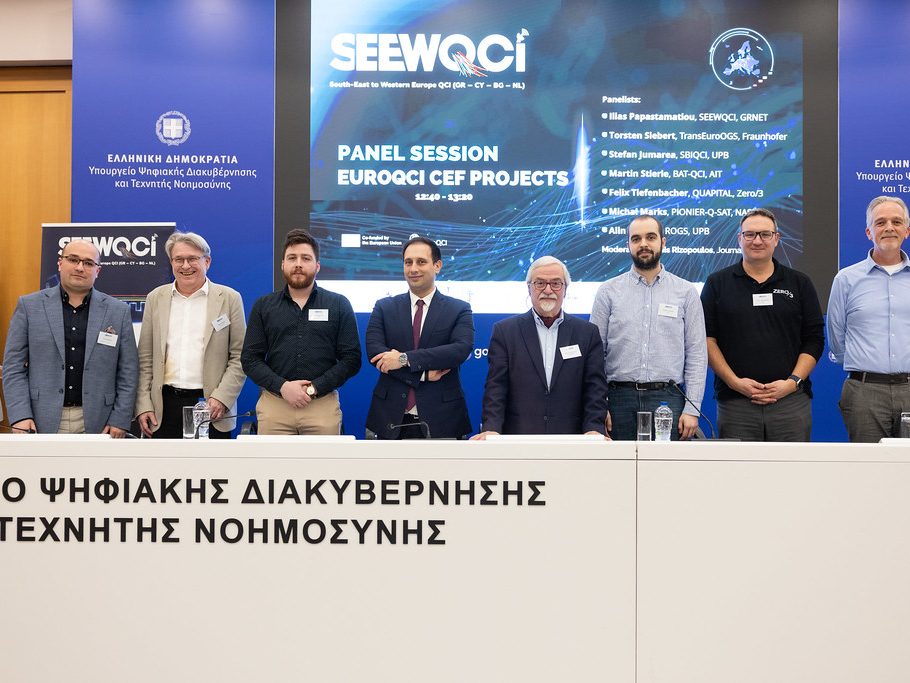
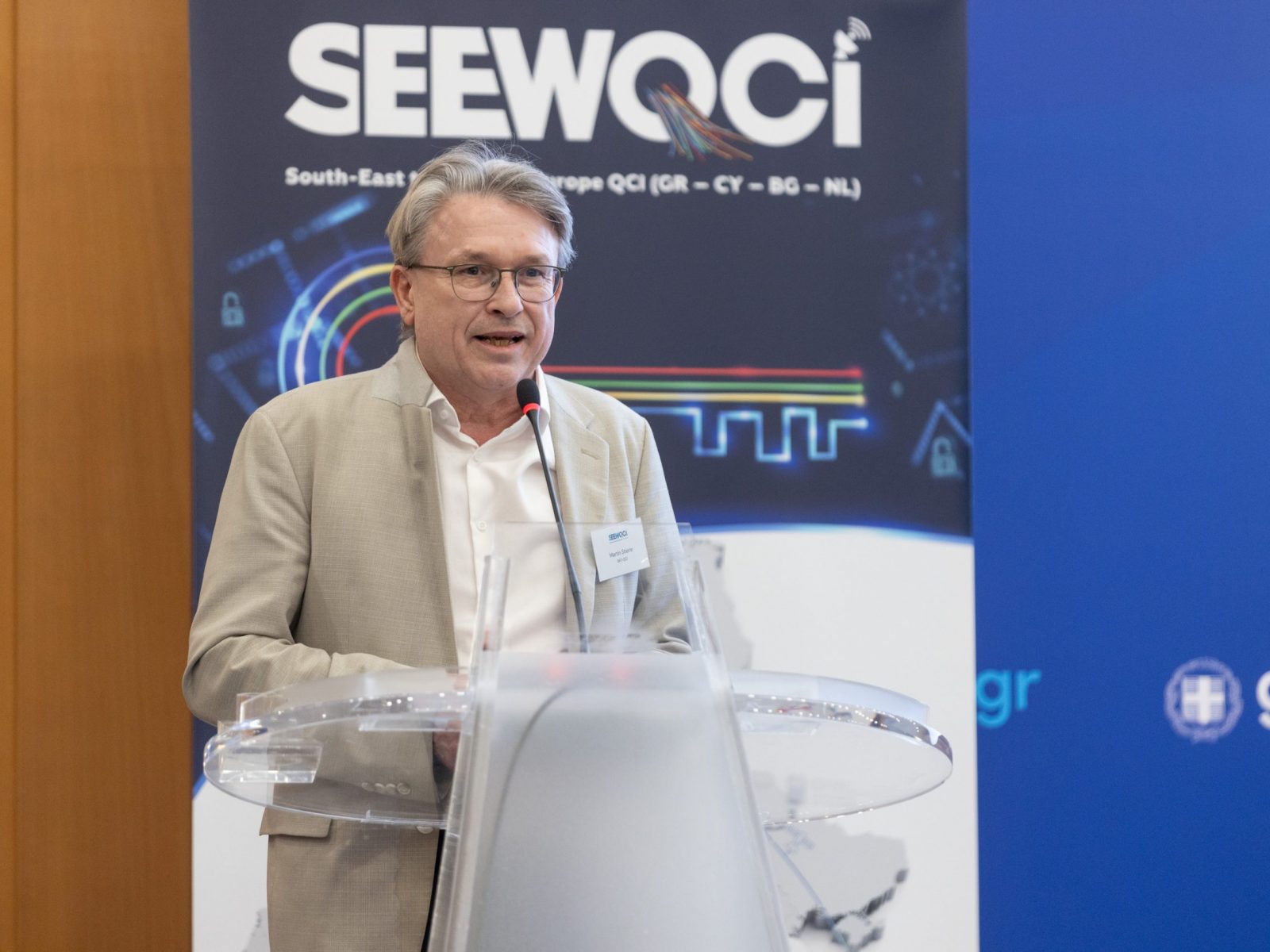
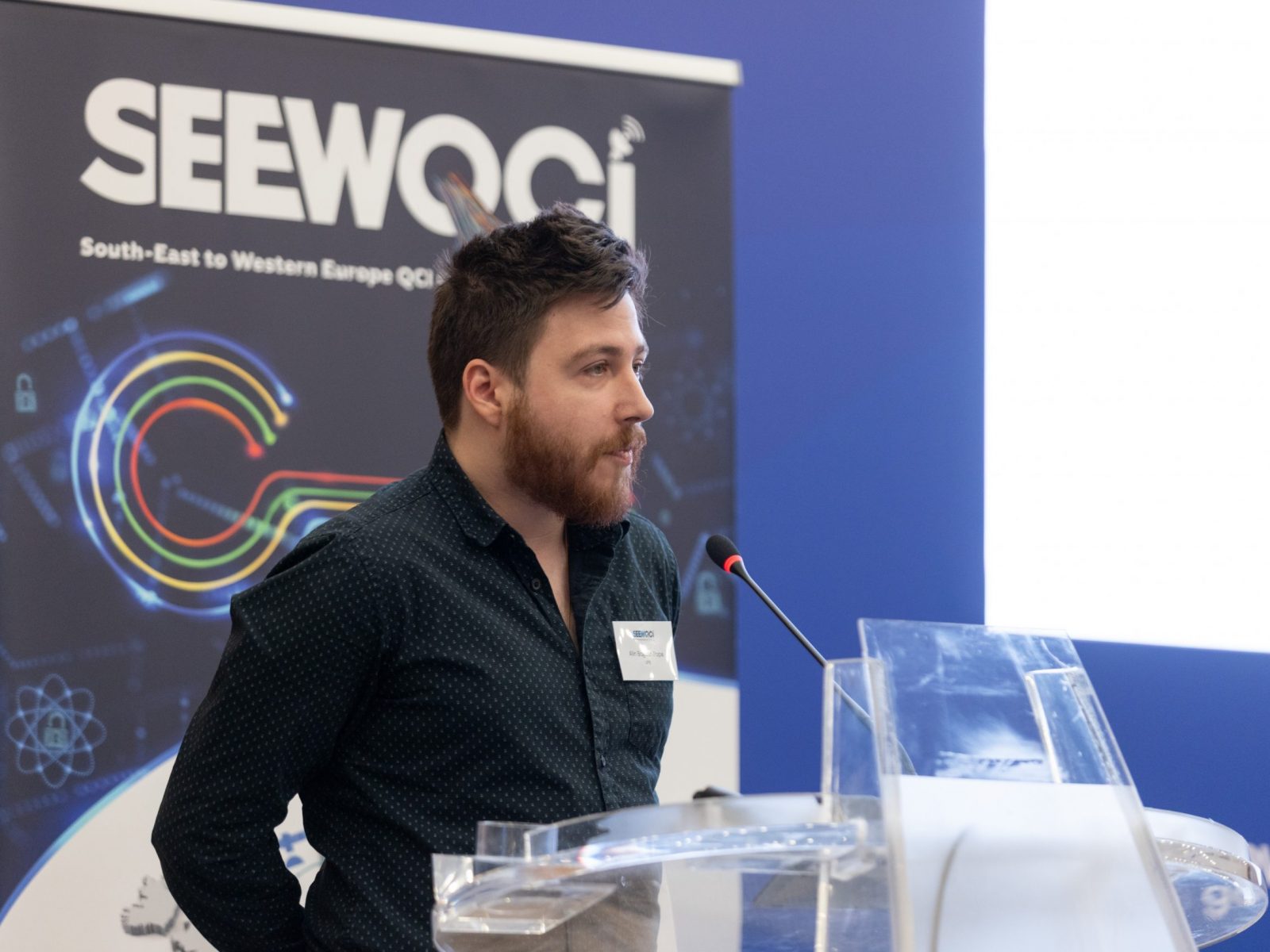
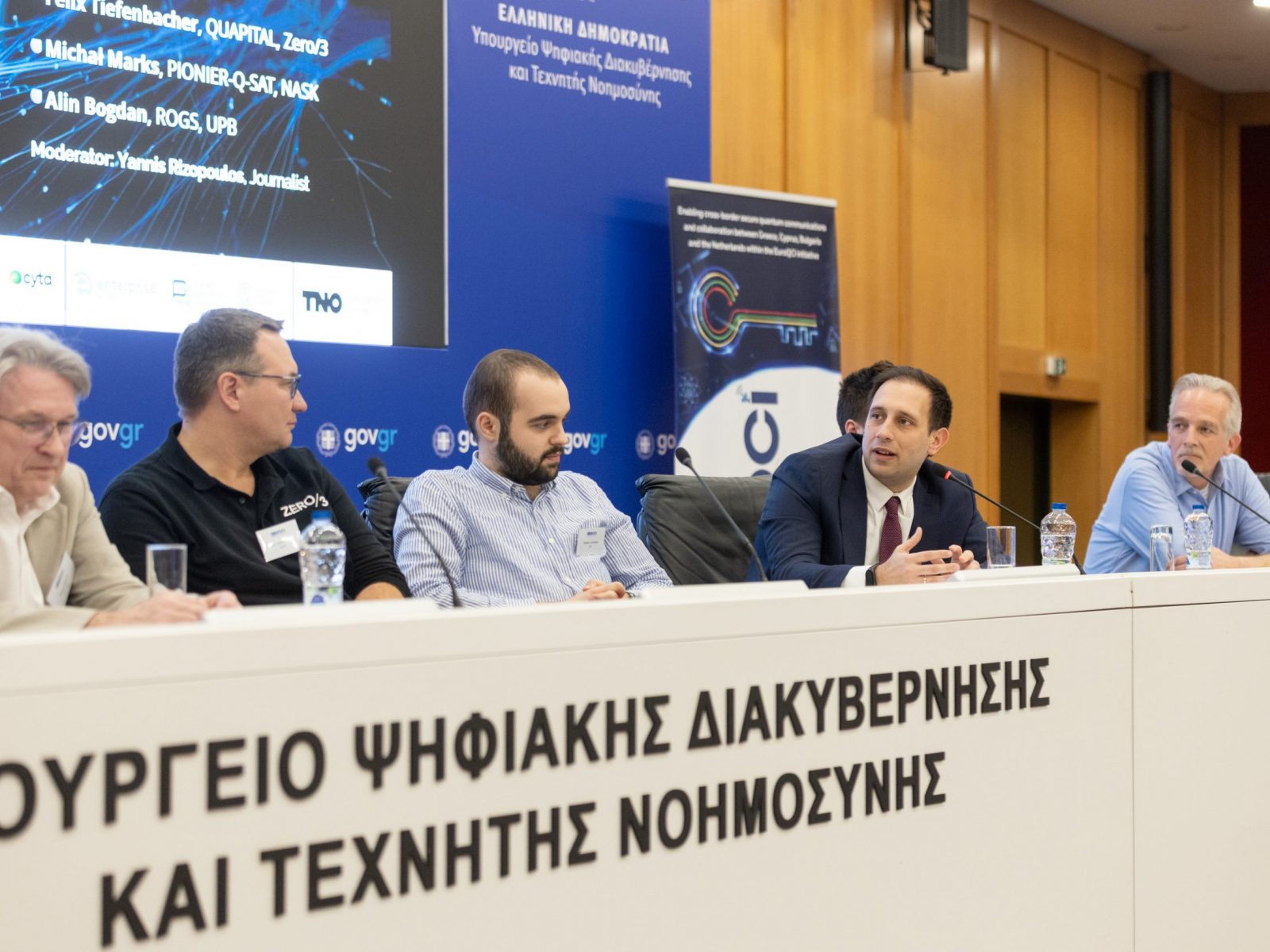
The EuroQCI CEF projects’ panel comprised from Ilias Papastamatiou (SEEWQCI), Torsten Siebert (TransEuroOGS), Stefan Jumarea (SBIQCI), Martin Stierle (BAT-QCI), Felix Tiefenbacher (QUAPITAL), Michał Marks (PIONIER-Q-SAT), and Alin Bogdan (ROGS), placing great emphasis on the interoperable and pan-European character of the initiative.
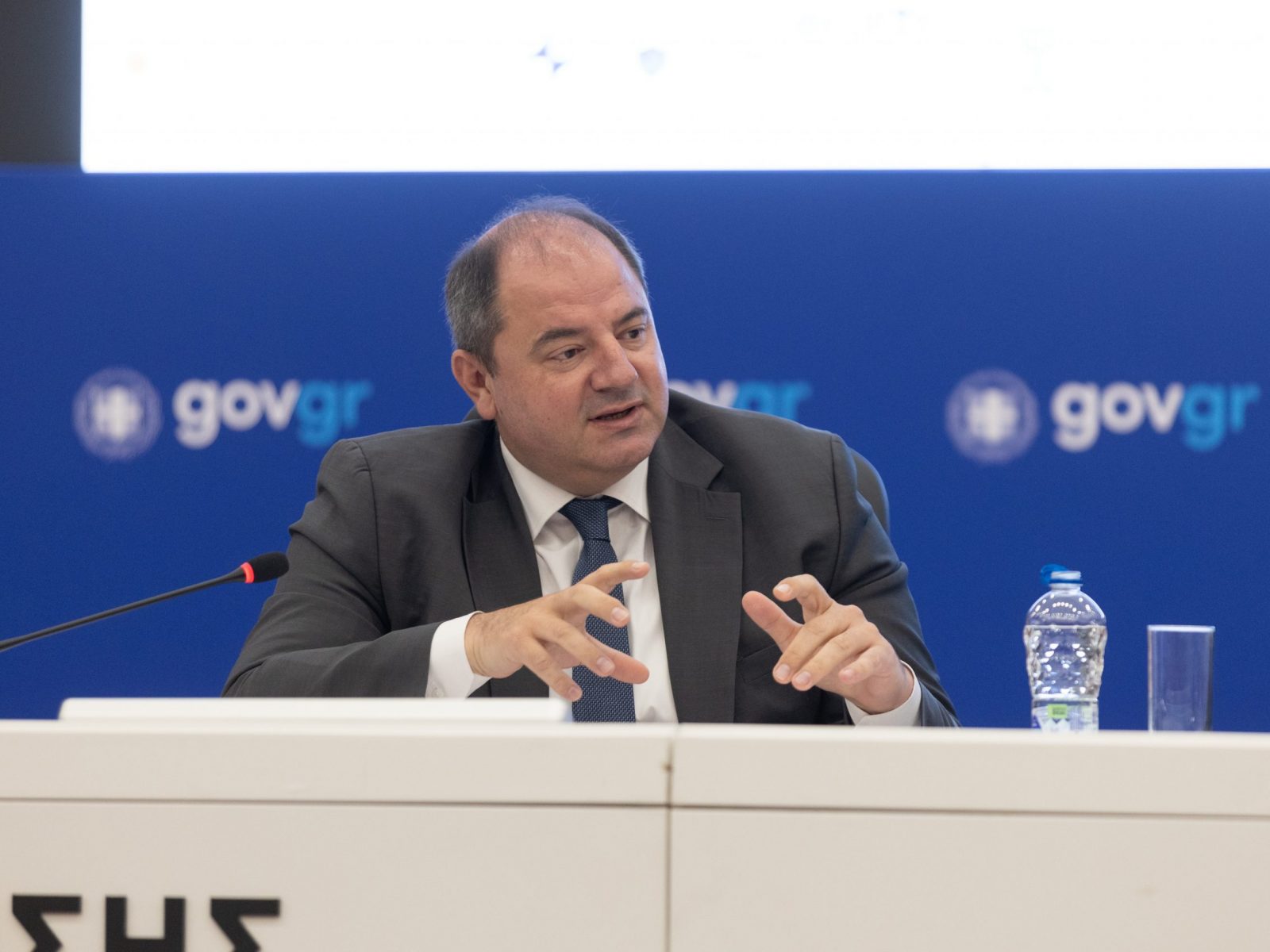
The Secretary General of Telecommunications and Post at the Ministry of Digital Governance and Artificial Intelligence, Konstantinos Karantzalos, noted that beyond SEEWQCI, major European initiatives such as BeneluxQCI, SBIQCI, BAT-QCI, PIONIER-Q-SAT, QUAPITAL, QRUSOE, CEQCI, and TransEuroOGS are currently underway, involving more than 15 Member States. He emphasized that sustained investment in quantum technologies, particularly in quantum communications, is vital for safeguarding Europe’s digital future.
The Deputy Minister of Foreign Affairs of Greece, Harry Theoharis, stated that Quantum Communication is a strategic tool for secure diplomacy and resilient governance, as diplomatic exchanges and critical governmental communications demand the highest level of protection. He stressed that the cooperation between Greece, Cyprus, Bulgaria, and the Netherlands demonstrates that quantum-secure infrastructures are a collective European necessity, rather than a national choice.
Acting Permanent Secretary of the Deputy Ministry of Research, Innovation and Digital Policy of Cyprus, Georgios Komodromos, underlined that for Cyprus, the development of an Optical Ground Station (OGS) is a strategic priority to ensure a reliable connection to EuroQCI. Through SEEWQCI, Cyprus has already secured funding and completed a market assessment for full compatibility with the EAGLE-1 satellite, enhancing the resilience and sovereignty of its communication infrastructure.
Technology Diplomat and Programme Director ad interim for the programme Quantum Safe, Ministry of Foreign Affairs of the Netherlands, Ferdinand Griesdoorn, stated that the Netherlands is developing a national and European quantum network in collaboration with Belgium, Luxembourg, and Germany. He stressed the importance of the space-based interconnection with Greece, Cyprus, and Bulgaria and mentioned the vision of an international secure network for the protected and secure communications for embassies, missions, and citizens in the new quantum era.
His excellency the Ambassador of the Grand Duchy of Luxembourg Embassy in Athens, Paul Schmit, highlighted his country’s leading role in the EuroQCI initiative, specifically through the development of satellite and fiber-optic QKD (Quantum Key Distribution). He noted this falls within Luxembourg’s national strategy for Data, AI, and Quantum Technologies, aiming for a sovereign and secure digital ecosystem.
he Director of Center for Technological Support, Development and Innovation of National Intelligence Service of Greece (KETYAK), Evangelos Zacharakis, underscored that the “harvest now, decrypt later” threat is a reality, making the transition to quantum-secure communications imperative. He described HellasQCI as a fundamental step in shielding national infrastructure, while SEEWQCI extends this effort to a cross-border level.
The Director of National Security (NSA) of Cyprus, Alexis Hadjiprokopis, noted that SEEWQCI establishes a vital satellite and cross-border bridge via EAGLE-1. He emphasized that this initiative effectively eliminates Cyprus’s geographical isolation, fully integrating the country into the European security landscape.
The Chairman of the Board of Directors of GRNET, Stefanos Kollias, stated that the coordination of HellasQCI and SEEWQCI reflects Greece’s technical maturity and operational capacity. He emphasised that HellasQCI has already implemented a 650 km national backbone and 16 use cases, proving that quantum-secure communications are no longer a theoretical concept but a functional reality.
Dr. Ilias Papastamatiou, Senior Project Manager at GRNET and SEEWQCI Coordinator, described the project’s launch as a major milestone for Greece, as HellasQCI enters the second phase of EuroQCI. He expressed his gratitude to the political leadership and partners, stressing that collective commitment forms the foundation for a fully operational and secure European Quantum Communication Infrastructure (EuroQCI).
GRNET – National Infrastructures for Research and Technology, provides advanced network, cloud computing and IT infrastructures and services to academic and research institutions, to educational bodies at all levels, as well as to agencies of the public, broader public and private sector. It holds a key role as the coordinator of all e-Infrastructures in education and research, leveraging the educational and research activity in the country towards the development of applied and technological research.
GRNET, operating under the auspices of the Ministry of Digital Governance and Artificial Intelligence, contributes to the country’s Digital Transformation via in-depth analysis, technological studies, standard solutions and specialized know-how. The company further develops and executes the strategy for artificial intelligence and machine learning, operates the national HPC competence center, and the AI Factories PHAROS, the national digital competencies portal, the National & European Quantum Communication Infrastructure and the National & European Digital Identity Wallet, while serving since 1998, on a daily basis, hundreds of thousands of users, in the strategic fields of Public Administration, Education, Research, Health and Culture.
More at: https://grnet.gr/en/
For any further clarifications or additional information, please contact:
Ms. Artemis Psarianou
Head of Marketing & Communications at GRNET
Lead on Dissemination and Communication activities of the SEEWQCI Project.
Email: marcomms@admin.grnet.gr